


The Future of Emergency Property Protection

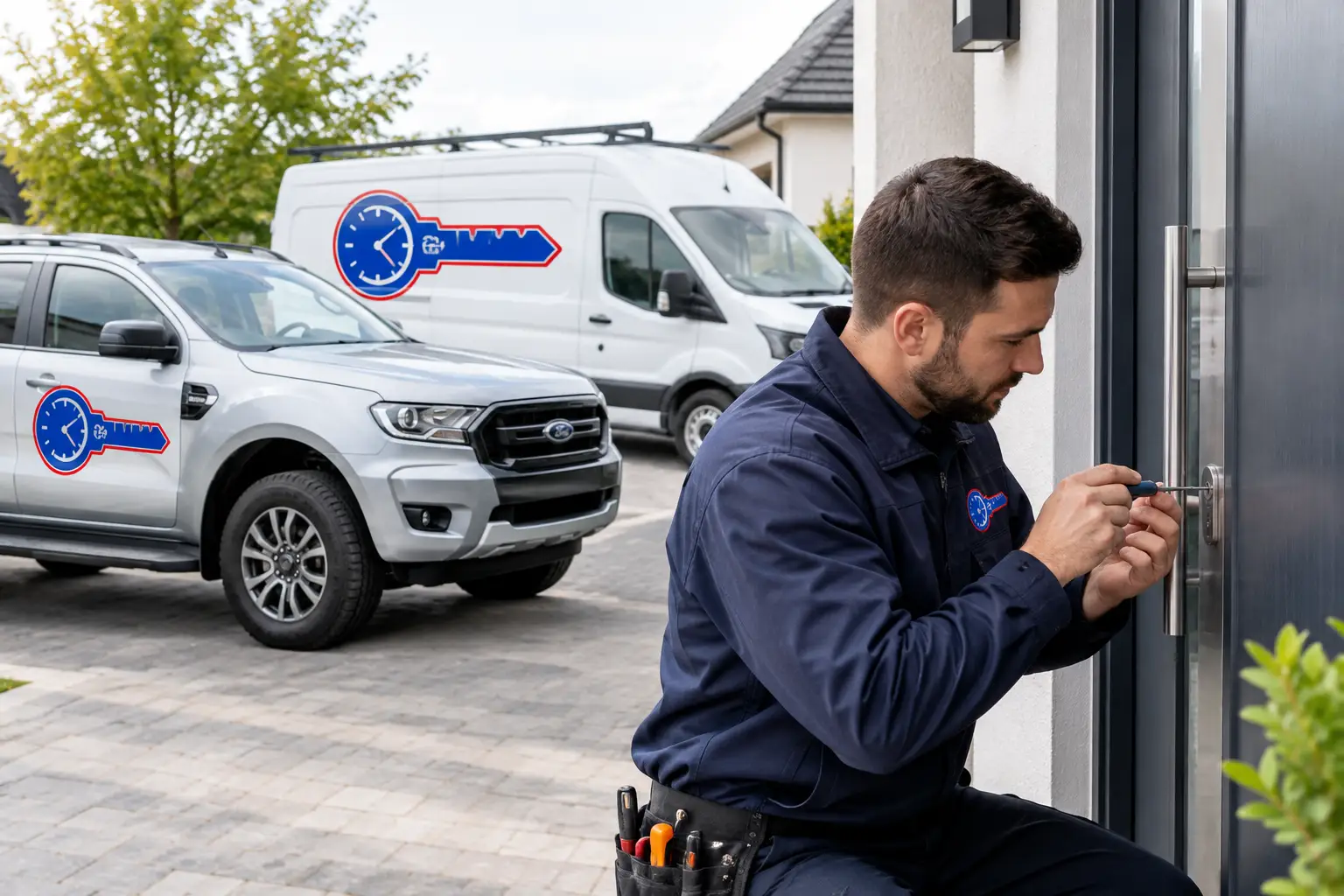
A failed door mechanism at 11pm, a smashed pane after a break-in, a tenant locked out with a vulnerable property behind them - emergency security problems do not wait for office hours. The future of emergency property protection will be shaped by better technology, tighter compliance and faster reporting, but the basics still matter most: secure the property quickly, use the right parts, and fix the problem properly the first time.
That matters because emergency property protection is no longer just about getting a board over a window or changing a damaged lock. Homeowners want reassurance. Landlords want speed and a clear record of what was done. Commercial sites, schools and public-sector buildings need attendance, safety and compliance to line up from the first call. The job is getting broader, not simpler.
What the future of emergency property protection will actually look like
The biggest change is not that emergency call-outs will suddenly become high-tech for the sake of it. It is that customers will expect a faster, more complete response. In practice, that means better diagnosis before arrival, better-stocked vans, clearer communication and more repairs completed on the first visit.
For many properties, especially those with UPVC doors and windows, emergency faults are already more technical than people expect. A lockout may not be a simple lost-key issue. It could be a failed gearbox, a dropped door, a split spindle, a broken mechanism or misalignment caused by wear. The future lies in combining practical locksmithing skills with stronger product knowledge, so the person attending can secure the property without guesswork.
There is also a shift towards joined-up protection. A property owner who calls out an emergency locksmith today may also need boarding up, lock upgrades, temporary securing, follow-on repairs, key holding, void property checks or advice on whether the existing locks still meet insurance expectations. Emergency response is becoming part of a wider security service rather than a one-off fix.
Faster response will matter, but so will better triage
People often focus on attendance times, and rightly so. In an emergency, speed counts. But speed without the right preparation is expensive and frustrating. A quick arrival followed by a second visit because the van is not stocked properly does not help a family stuck outside or a landlord trying to secure a vacant flat before morning.
That is why better triage is a major part of the future of emergency property protection. The first phone call should gather the right details - type of door, type of lock, visible damage, whether access has been lost, whether the property is exposed, and whether there are safeguarding concerns. Photos sent in advance can help in some cases, but experienced questioning still does most of the heavy lifting.
Done properly, triage shortens repair time, improves first-visit completion and reduces the chances of temporary fixes being left in place longer than they should be. It also helps set expectations honestly. Some faults can be repaired there and then. Others need immediate securing followed by a return with specific hardware.
Smarter security does not replace strong physical protection
There is plenty of talk about smart locks, connected alarms and remote access systems. Some of these have a place, especially in managed buildings and rental portfolios. They can improve oversight, simplify access control and create a useful audit trail.
But smart security has limits in emergency situations. Electronics do not stop a damaged frame from needing attention. A connected system still relies on sound installation, stable power, dependable hardware and a door or window that closes and locks as it should. If the mechanism has failed, if the cylinder is compromised or if the door is out of alignment, technology on top does not solve the core issue.
For most domestic properties and many small businesses, the future is likely to be hybrid. That means better alarm integration and smarter access management in some settings, while the real foundation remains good-quality locks, anti-snap cylinders where appropriate, correctly adjusted doors, and repairs carried out to a proper standard. Old-fashioned reliability still wins a lot of arguments when a property has been left vulnerable.
Compliance will become more visible to customers
Insurance requirements, British Standards and safeguarding procedures have always mattered, but customers are becoming more aware of them. That is a good thing. When emergency work is carried out in a rush, poor parts and poor workmanship tend to show up later - either in repeat failures or in problems with insurers after a claim.
In the years ahead, more customers will ask whether replacement locks are insurance-compliant, whether parts are suitable for the door type, and whether the repair has been documented properly. Commercial and public-sector clients already do this as standard. Residential customers are catching up, particularly landlords with legal duties around building security and tenant safety.
This will favour local firms that can explain clearly what they are fitting and why. A cheap emergency fix may look attractive at midnight, but if it leaves the property below the expected security standard, it is not much of a saving. The better approach is practical and straightforward: secure the site quickly, fit approved parts where needed, and leave the customer with a clear record of the work.
Vacant properties will need more active protection
Void properties are becoming a bigger issue for landlords, housing providers and commercial owners. An empty building can attract forced entry, opportunistic theft, vandalism and weather damage in a short space of time. Once a door has been compromised or a window broken, the risks escalate quickly.
The future of emergency property protection for vacant sites will involve more routine checks, stronger temporary securing methods and better control over who can access the building. This is where emergency response and ongoing management overlap. A call-out may start with boarding up or changing locks, but the real solution often includes scheduled inspections, restricted access systems, documented key holding and a plan for rapid re-attendance if something else goes wrong.
There is no single answer for every empty property. A short-term void between tenants has different needs from a long-term vacant commercial unit. The right level of protection depends on location, occupancy history, visibility and the condition of the building itself.
Repair-first thinking will become more valuable
One of the more useful changes in the trade is a move away from unnecessary full replacements. Not every failed lock means a complete new door setup. Not every stiff handle means the whole unit is finished. In many cases, the best outcome is a proper repair using the right mechanism, gearbox, handle set or cylinder.
That matters for cost, but also for security. A rushed replacement with the wrong parts can create fresh weaknesses or leave a UPVC door operating badly. Skilled repair work keeps the original setup functioning as intended and often gets the property secure faster.
This is especially relevant as hardware supply changes over time. Some older door and window systems need specialist knowledge to identify matching components or compatible upgrades. The future will reward locksmiths who can diagnose accurately rather than simply swap parts and hope for the best.
Human judgement will still be the difference
No matter how much technology improves, emergency property protection remains a practical, high-pressure service. People call when they are stressed, tired, worried or dealing with damage they did not expect. They need clear advice and a safe outcome, not jargon.
That is why human judgement will remain central. The right response is not always the most expensive one or the most technical one. Sometimes the priority is immediate boarding up and a return visit in daylight. Sometimes it is upgrading a vulnerable cylinder there and then. Sometimes it is making a door usable again for a family with children in the house. The job is to assess the risk, secure the property and recommend the next sensible step.
For a local service business, that practical judgement is what builds trust. It is also what keeps emergency work from turning into repeat work for the wrong reasons.
Locksmiths Gloucester sees this every day: customers do not just need attendance, they need someone who can turn up prepared, make the property safe and sort the problem without fuss. That is where the trade is heading - not towards gimmicks, but towards faster diagnosis, better repairs, stronger compliance and more complete support around urgent security issues.
The future of emergency property protection will bring smarter tools and better systems, but when your door will not lock or your property has been exposed, the answer is still the same. You need a competent person on site, quickly, with the right parts and the judgement to get it right.


Comments