


Anti Snap Cylinders Gloucester Homes Need

A burglar does not need long if your euro cylinder is weak. On many uPVC and composite doors, the lock can be forced by snapping the cylinder, then manipulating the mechanism behind it. That is why anti snap cylinders Gloucester property owners choose are not a cosmetic upgrade - they are one of the most practical ways to strengthen a common point of attack.
If you have ever looked at your front door and thought, "the door itself is solid, so the lock must be fine", you are not alone. In practice, the cylinder is often the vulnerable part. A strong door and a decent handle will only do so much if the barrel can be broken quickly from the outside. Replacing an older cylinder with an anti-snap approved version is usually a straightforward job, but choosing the right one matters.
Why anti snap cylinders matter
Most people only think about locks when they are locked out, moving house, or dealing with a break-in. The problem is that many cylinders fitted years ago were never designed to resist the methods commonly used now. On euro profile doors, especially uPVC doors, snapping attacks became well known because they were fast, quiet, and effective against lower-grade cylinders.
An anti-snap cylinder is built to fail in a controlled way. Rather than allowing the whole barrel to break and expose the cam or fixing point, the lock is designed with sacrificial sections and reinforced features that resist the attack or stop it progressing. The exact design varies by manufacturer, but the goal is simple - make the lock much harder to defeat and buy valuable time.
That time matters. Opportunist burglars tend to favour speed and low effort. If a lock resists common attack methods, they are more likely to move on. No lock can claim to make a property untouchable, but a proper anti-snap cylinder closes off one of the easiest routes through a typical euro cylinder door.
Anti snap cylinders Gloucester customers usually need
Around Gloucester, a lot of domestic and rental properties have uPVC or composite doors fitted with euro cylinders. These doors are popular for good reason, but the cylinder installed in them is not always up to current security expectations. We see this regularly where the door is serviceable, the multipoint mechanism still works, yet the cylinder itself is outdated, oversized, worn, or below the standard many insurers now expect.
That does not automatically mean every lock needs replacing today. Some doors already have upgraded cylinders, and some security issues come from poor alignment, worn handles, or failed gearboxes rather than the barrel alone. Still, if the cylinder protrudes too far from the handle, has no visible security markings, or has been in place for years without review, it is worth having it checked.
There is also a difference between a lock that still turns and a lock that still protects properly. Many older cylinders continue to operate even after years of wear, but they may offer little resistance to snapping, drilling, or picking. A lock can feel normal in daily use while being a weak point from the outside.
What makes a good anti-snap cylinder
Not all replacement cylinders are equal. Some are marketed as security upgrades without offering the level of protection a customer assumes they are getting. For that reason, the cylinder should be chosen on more than price alone.
A good anti-snap cylinder will usually be tested to recognised standards and built to resist several forms of attack, not just snapping. You want solid resistance to drilling, picking and bumping as well, because burglars do not always use one method. British Standard and TS007-rated products are commonly looked for where insurance compliance and proven performance matter.
Sizing is just as important. Even a quality cylinder can be compromised if it sticks out too far beyond the handle. That exposed section can make attack easier. The correct measurement allows the cylinder to sit neatly within the furniture, reducing leverage points and improving security. This is one reason a proper on-site fitting often makes more sense than guessing sizes and hoping for the best.
Keys and control can matter too, particularly for landlords, schools, managed buildings and commercial sites. In some cases, it is sensible to combine anti-snap protection with restricted key systems or master key planning. That depends on the property and how many users need access.
When it is time to replace your cylinder
There are obvious moments when replacement makes sense, such as after a burglary attempt, lost keys, or moving into a new property. But there are quieter warning signs that are easy to ignore.
If the key has started to drag, the lock feels inconsistent, or the door has to be pushed or lifted to lock properly, the issue may not be the cylinder alone. It could be alignment, the multipoint mechanism, or wear in the handle set. Still, those symptoms should not be left to get worse. A stressed door setup can put extra strain on the lock and leave you dealing with a failed mechanism at the worst time.
For landlords and property managers, replacement is often best done between tenancies rather than after a problem. Void periods are the right time to review external doors, upgrade vulnerable cylinders, and make sure access arrangements still suit the building. It is cheaper and less disruptive than waiting for an emergency call-out.
Businesses should be equally practical. If a rear staff entrance, side office door, or communal entrance still relies on an old euro cylinder, that weak point can undermine the rest of the building's security. The best approach is to assess the whole access setup, not just the main front door.
Fitting anti snap cylinders properly
Swapping a cylinder can be quick, but doing it properly is about more than taking one out and putting another in. The door should be checked for alignment, handle security, mechanism condition and correct sizing before the final cylinder is selected and fitted.
This matters because customers are sometimes sold a new lock when the main fault is elsewhere. If the door is dropping, the keeps are misaligned, or the gearbox is stiff, a new cylinder on its own may not solve the problem. You want the lock to be secure and reliable in everyday use, not just technically upgraded.
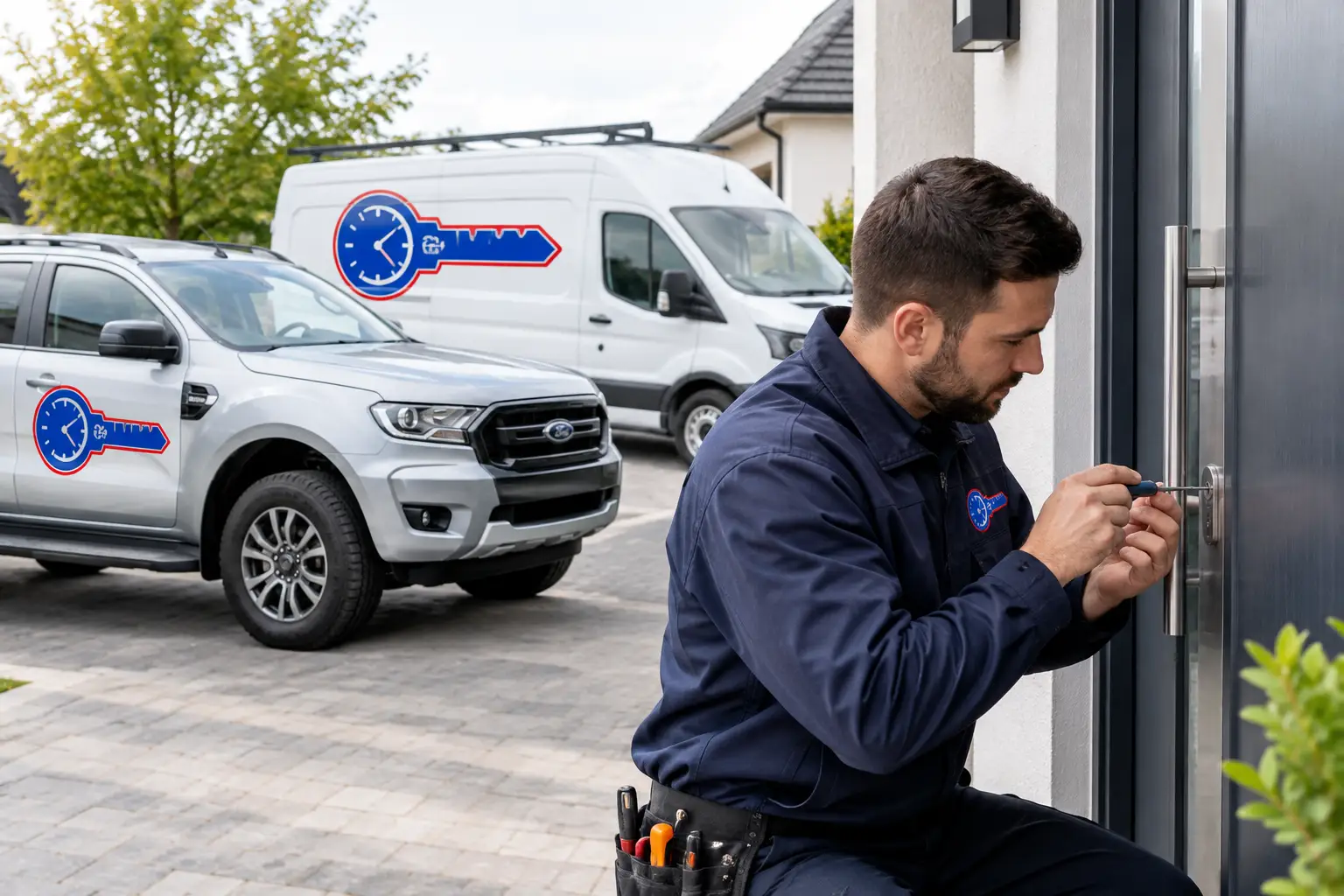
A properly stocked locksmith can usually deal with this in one visit. That includes measuring the cylinder correctly, fitting an appropriate anti-snap replacement, checking operation through the full locking cycle and making sure the door closes and secures as it should. On many jobs, that first-visit capability is what saves customers time, stress and the cost of repeat attendance.
Insurance, standards and peace of mind
Many customers ask whether anti-snap cylinders are required by insurers. The honest answer is that it depends on the policy and the property. Some insurers specify British Standard locks or particular door security requirements, while others are less precise. Even where a policy does not explicitly name anti-snap cylinders, using approved parts can still support a stronger overall security position.
For homeowners, that often means better confidence that the lock fitted is suitable for the door and not just the cheapest available part. For landlords and commercial duty holders, standards matter even more because they need a clear, defensible approach to property security and maintenance.
Using a local locksmith with experience in uPVC and composite door hardware helps here. It reduces the chance of a poor-fitting part, a generic replacement, or a job that needs revisiting shortly afterwards. When a lock upgrade is done with the right product and the door is checked properly at the same time, it is a much better result than a rushed swap.
Choosing the right help in Gloucester
If you are comparing locksmiths, ask plain questions. Is the cylinder anti-snap approved? Is it British Standard or TS007 rated where needed? Will the door and mechanism be checked as part of the job? Is the work guaranteed? Those answers tell you more than a vague promise about "high security" locks.
A dependable locksmith should also be realistic. Sometimes an anti-snap cylinder is exactly what is needed. Sometimes the real issue is a failed mechanism, a worn handle, or a door that no longer lines up correctly. Good advice is not about selling the most expensive part. It is about securing the property properly and avoiding another call-out next month.
That is especially relevant in emergency situations. After an attempted break-in, customers often want the fastest possible fix, which is understandable. But speed should still include the right standard of part and a proper check of any related damage. A hurried repair that leaves the door misaligned or the cylinder exposed is not much of a repair.
If your current lock is old, vulnerable, or simply something you are no longer confident in, getting it assessed now is a sensible move. A stronger cylinder fitted correctly is one of the simplest upgrades you can make to a door, and it can make a real difference when someone tries the easy option and finds it is no longer available.


Comments