


Insurance Approved Lock Replacement
A break-in, failed lock or lost set of keys tends to raise the same question straight away - will my insurer accept the replacement? That is where insurance approved lock replacement matters. It is not just about fitting any new lock that works on the day. It is about choosing the right standard, the right hardware for the door, and a locksmith who can fit it properly so your security is not left to chance.
For most households and many commercial properties, insurers are looking for locks that meet recognised standards rather than the cheapest option available. If the wrong lock is fitted after a burglary, attempted forced entry or simple lock failure, you can end up paying twice - once for the emergency work and again to put the security right.
What insurance approved lock replacement usually means
In plain terms, insurance approved lock replacement means fitting a lock that matches the security level commonly required by insurers for that type of door or window. In many cases, that means British Standard locks. You will often see references such as BS3621 for mortice deadlocks on timber doors, or TS007 and SS312 ratings for euro cylinder locks on composite and UPVC doors.
The exact requirement depends on the property and the policy. Some insurers state the standard clearly. Others simply say that final exit doors and accessible windows must have key-operated locks or locks that meet current British Standards. That small difference matters. A policy may not name a brand, but it may still expect an approved standard.
This is why a proper assessment on site is worth more than guesswork. Timber, composite, aluminium and UPVC doors all take different lock types, and a lock that is excellent on one door may be completely wrong for another.
Why insurers care about the lock standard
Insurers are not interested in lock standards for the sake of paperwork. They care because weak or unsuitable locks increase the risk of forced entry. If a standard euro cylinder is fitted to a door with no anti-snap protection, for example, that can leave the property more vulnerable than the owner realises.
An insurance approved lock replacement lowers that risk by using hardware tested against recognised attack methods. That might include snapping, drilling, picking or forced manipulation. It also helps show that reasonable steps were taken to secure the property after damage, a lockout incident or a security upgrade.
There is a practical point here too. Many people only think about insurance after a claim. By then, the wording on the policy suddenly matters a great deal. Replacing a failed or damaged lock with an approved equivalent at the time of the job is usually the safer route than fitting a temporary budget lock and hoping it will do.
The lock types most often used
On timber front and back doors, insurers commonly expect a 5 lever British Standard mortice deadlock, especially where the door does not already have a compliant multi-point system. These locks are designed and tested to meet specific security requirements and are a familiar benchmark for domestic policies.
On UPVC and composite doors, the issue is often not the full strip mechanism but the cylinder within it. In those cases, insurance approved lock replacement usually means fitting an anti-snap euro cylinder with the correct rating, not just swapping any cylinder that happens to fit. This is particularly important where the old cylinder protrudes or has already shown signs of wear.
For communal doors, rental properties and smaller commercial premises, the right answer can vary more. Access needs, fire safety, occupancy and existing hardware all come into play. A landlord may want stronger control over who has access, while a business may need a compliant upgrade that does not interrupt trading.
When replacement is better than repair
Not every lock problem needs a full change. A skilled locksmith will often repair a sticking mechanism, realign a door or replace a failed component if that is the better option. But there are times when replacement is the sensible call.
If the existing lock is outdated, damaged by force, poorly fitted, or below current insurance expectations, repair can be a false economy. The lock might work again for a while, but the underlying weakness remains. The same applies after lost keys in some situations, tenant changeovers, and break-ins where there is any doubt over the integrity of the cylinder or internal mechanism.
This is where stocked vans and first-visit capability make a real difference. In an emergency, waiting days for the correct approved parts is not ideal. A locksmith who carries British Standard and anti-snap options can secure the property properly there and then, rather than leaving a temporary fix in place.
Insurance approved lock replacement for UPVC doors
UPVC doors are a common source of confusion because the visible problem is not always the actual cause. A door may feel as if the lock has failed when the real issue is alignment, a worn gearbox, a faulty centre case or movement in the door itself. Simply changing the cylinder without checking the mechanism can leave the customer with another call-out soon after.
That is why UPVC expertise matters. Insurance approved lock replacement on a UPVC door should start with diagnosing the whole locking system. If the mechanism is healthy, an upgraded anti-snap cylinder may be all that is needed. If the gearbox or strip is failing, the door may need repair work alongside the approved cylinder replacement.
A no-nonsense locksmith will explain that difference clearly. The aim is not to sell extra parts. It is to avoid repeat faults and make sure the final setup is secure, smooth to operate and suited to the insurer's likely requirements.
What to ask before the work starts
If you need an insurance approved lock replacement, ask what standard the new lock meets and whether it suits your door type. Ask if the replacement is British Standard or carries the relevant security rating for that application. If you have a policy document to hand, check whether it names a standard.
You should also ask whether the issue is only the lock or whether the door and frame need adjustment. Many lock failures are made worse by poor alignment. Fitting a new lock into a door that is dragging or twisting can shorten the life of the new hardware.
It is also reasonable to ask about warranty. Good locksmith work should not stop at fitting the part. You want confidence that the hardware is genuine, properly installed and backed if there is a fault.
Emergency situations and claims
After a burglary or attempted break-in, speed matters. So does paperwork. A prompt insurance approved lock replacement helps secure the property quickly and can support the record of what was done following the incident. For landlords and commercial operators, it also reduces the risk of leaving a building exposed overnight or over a weekend.
There is a balance to strike, though. If a door has major structural damage, replacing the lock alone is not enough. Boarding up or temporary security measures may be needed first, followed by permanent lock and door repairs once the opening is stable again. The right response depends on the condition of the whole entry point, not only the cylinder or latch.
For planned work, there is more time to compare options. Some customers simply want a like-for-like approved replacement. Others want to upgrade to higher security hardware because the old lock is worn, the property is being let, or they want better protection than the minimum standard.
Choosing a locksmith for insurance approved lock replacement
The safest choice is a locksmith who deals with this type of work every day, carries compliant parts, and can explain plainly why a certain lock is recommended. National call-centre setups often promise a quick solution but may not have the right stock or specialist experience once they arrive. That can lead to delays, inflated costs or poor-fitting substitutes.
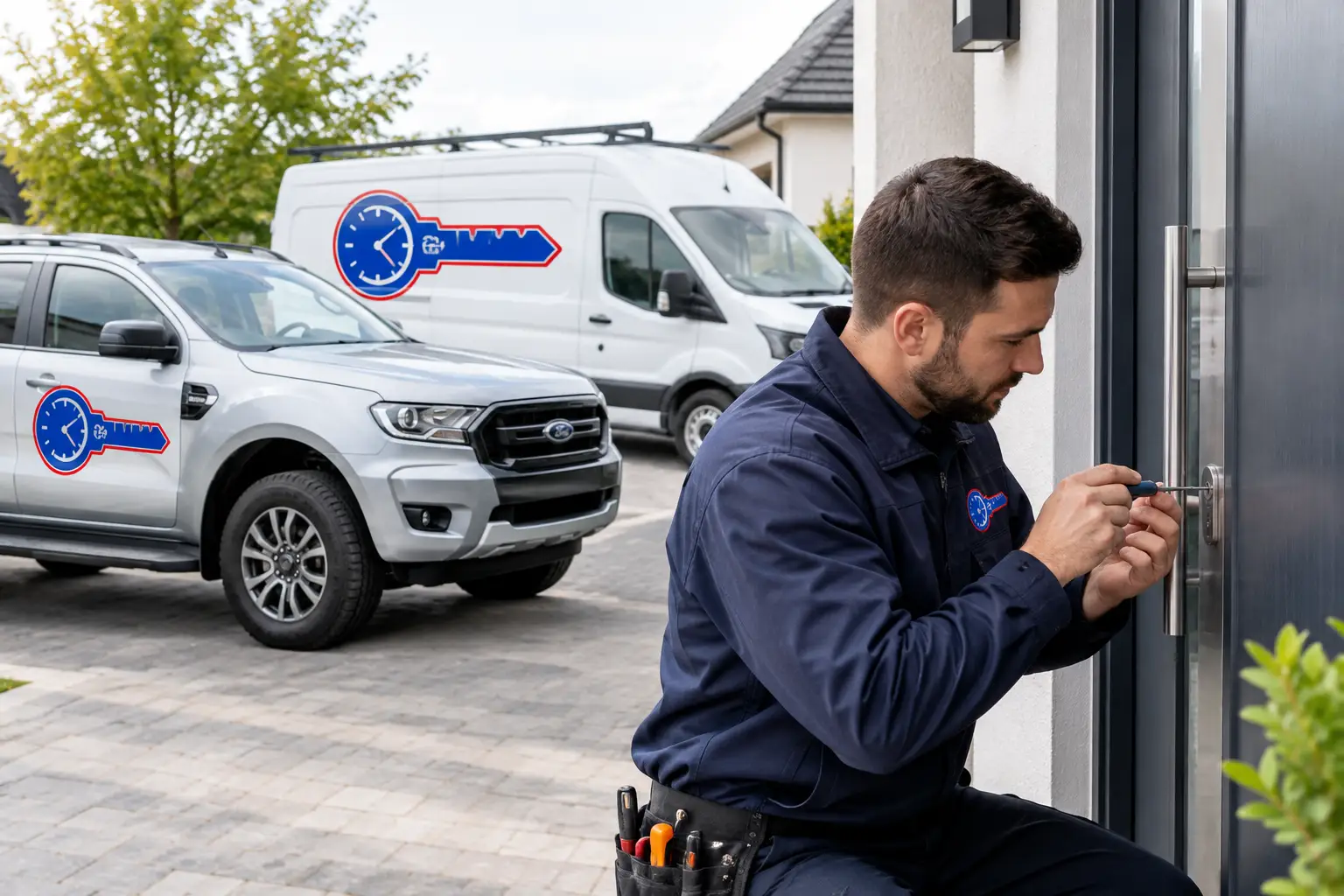
A local emergency locksmith with proper experience in domestic and commercial security will usually be better placed to match the lock to the door, complete the job on the first visit and keep the process straightforward. For properties in Gloucestershire, Locksmiths Gloucester handles emergency and planned lock work with British Standard and anti-snap approved options, backed by practical experience across timber, composite and UPVC doors.
Price still matters, of course. But the cheapest quote is not always the best value if it leaves you with a lock that falls short of insurer expectations or fails again a few months later. Good lock replacement is about the full result - secure fitting, correct standard, smooth operation and fewer problems after the job is done.
If you are dealing with a failed lock, recent break-in damage or a security concern that cannot wait, the best next step is simple: get the lock assessed properly and have the right approved replacement fitted before a small problem turns into a bigger one.


Comments