


British Standard Door Locks Explained

A lock can look fine from the outside and still be the weak point on the door. That is often the issue when people ask about British Standard door locks after a break-in, an insurance query, or a failed lock that suddenly leaves the property insecure. The marking matters, but so does the type of door, the condition of the frame, and whether the whole setup has been fitted properly.
If you are replacing locks on a house, flat, rental property or small business unit, it helps to know what British Standard actually means and what it does not. The term gets used a lot, and not always clearly. A lock can be branded well, look solid, and still fall short of what your insurer expects.
What British Standard door locks actually mean
In simple terms, British Standard door locks are locks that have been tested against a recognised security standard. You will often see BS3621 on mortice deadlocks and sashlocks for timber doors. On euro cylinders, particularly on UPVC and composite doors, you may see TS007 or related standards, often alongside a star rating.
That testing is there for a reason. It checks how the lock performs against common attack methods such as drilling, picking, force and other forms of tampering. For householders and landlords, the practical benefit is straightforward - a compliant lock is more likely to satisfy insurer requirements and gives a better level of physical security than a basic, low-grade alternative.
The important detail is that the standard depends on the lock type. There is no single badge that covers every door and every mechanism. What is correct for a wooden front door may be completely wrong for a UPVC door with a multipoint locking system.
Why the standard matters more than people think
Most customers do not start by asking for a specific standard. They ring because the key will not turn, the handle has dropped, the tenant has moved out, or the insurer has asked whether the lock meets policy terms. That is when standards suddenly become very relevant.
A compliant lock can reduce the chance of a forced entry succeeding quickly. It can also avoid problems after a claim. Some policies specify five-lever mortice deadlocks to BS3621 on final exit doors, while others require approved locking on accessible doors and windows. If the property has been fitted with bargain hardware that does not meet those terms, you may have an argument on your hands at exactly the wrong time.
There is a practical side to this too. Better locks usually come with stronger internal components and more reliable resistance to wear. That does not mean they never fail, because all hardware wears over time, but it does mean you are starting from a stronger position.
The main types of British Standard door locks
Mortice deadlocks and sashlocks
These are common on timber front and back doors. A deadlock throws a bolt only. A sashlock combines a latch and a deadbolt, so it works with handles as well as a key. When people refer to a five-lever British Standard lock on a wooden door, this is often what they mean.
For many homes, a BS3621 mortice deadlock is the usual benchmark. It is recognised by insurers and remains a solid choice for timber doors, provided the door and frame are in good order. If the frame is split, the keeps are loose, or the door is badly aligned, even a good lock will not perform as it should.
Euro cylinders for UPVC and composite doors
These are the parts most often changed on modern doors with multipoint mechanisms. The cylinder is only one part of the full system, but it is a common point of attack and a common point of failure.
With these doors, anti-snap protection matters. A standard euro cylinder can be vulnerable if it protrudes too far or if it is a low-spec model. That is why many replacement jobs now involve TS007 rated or anti-snap approved cylinders rather than basic cylinders. This is one of the clearest examples of why the wording matters - the door may have a multipoint lock, but the cylinder still needs to meet the right standard.
Night latches and secondary locks
A night latch on its own is not usually enough for main door security. Some versions are stronger than others, and some are British Standard rated, but they are best considered as part of the overall setup rather than the whole answer. On many timber doors, the sensible arrangement is a compliant mortice deadlock alongside a suitable night latch for convenience.
British Standard door locks and insurance
This is where confusion causes the most trouble. People often assume that because a lock is from a known brand, it must meet insurance requirements. That is not always true.
Insurers tend to focus on the standard, the door type and the accessibility of the entry point. A back door opening onto a garden may be judged differently from an internal office door. A rental property may need secure, durable hardware that can cope with frequent use and occasional abuse. A void property may need a stronger security review altogether, not just a like-for-like lock change.
The safest approach is to match the lock to the door and the property use, rather than guessing. If you have policy wording, check it. If you do not, fitting recognised British Standard or anti-snap approved hardware is usually the sensible route.
When a British Standard lock is not enough on its own
A good lock cannot compensate for a bad door. We see this regularly on older timber doors with movement in the frame and on UPVC doors where the mechanism is stiff, the keeps are out of line, or the handle has been forced over time.
If the door is dropping, misaligned or hard to lock, replacing the cylinder alone may not solve the problem. On UPVC and composite doors, the gearbox or full multipoint mechanism may be the actual fault. On timber doors, loose keeps, poor fitting and weak frame fixings can undermine the lock completely.
That is why any proper lock replacement should include a check of the door condition, alignment and hardware around it. Security is a system, not just a barrel in a hole.
How to tell if your lock may need replacing
There are usually warning signs before a full failure. If the key becomes stiff, the handle starts lifting unevenly, the lock only works when you pull the door into place, or the cylinder is visibly proud of the handle, it is worth getting it checked.
After a tenancy change, lost keys, attempted break-in or door damage, replacement is often the right call even if the lock still turns. The same applies if the current hardware is old, unmarked or clearly below the standard you now need. Waiting until the door will not lock at all usually turns a planned security job into an emergency call-out.
Choosing the right lock for the property
The right answer depends on the door material, the way the property is used, and the level of risk. A landlord securing a rental house may want durable, insurance-conscious hardware that can be maintained easily between lets. A homeowner may prioritise anti-snap protection on the main entrance. A small business may need a broader security review, especially where staff turnover or multiple access points are involved.
There is also a balance between cost and long-term value. The cheapest replacement is not always the most economical if it leads to repeat visits, poor operation or another failure a few months later. Fitting the correct standard first time usually saves money and aggravation.
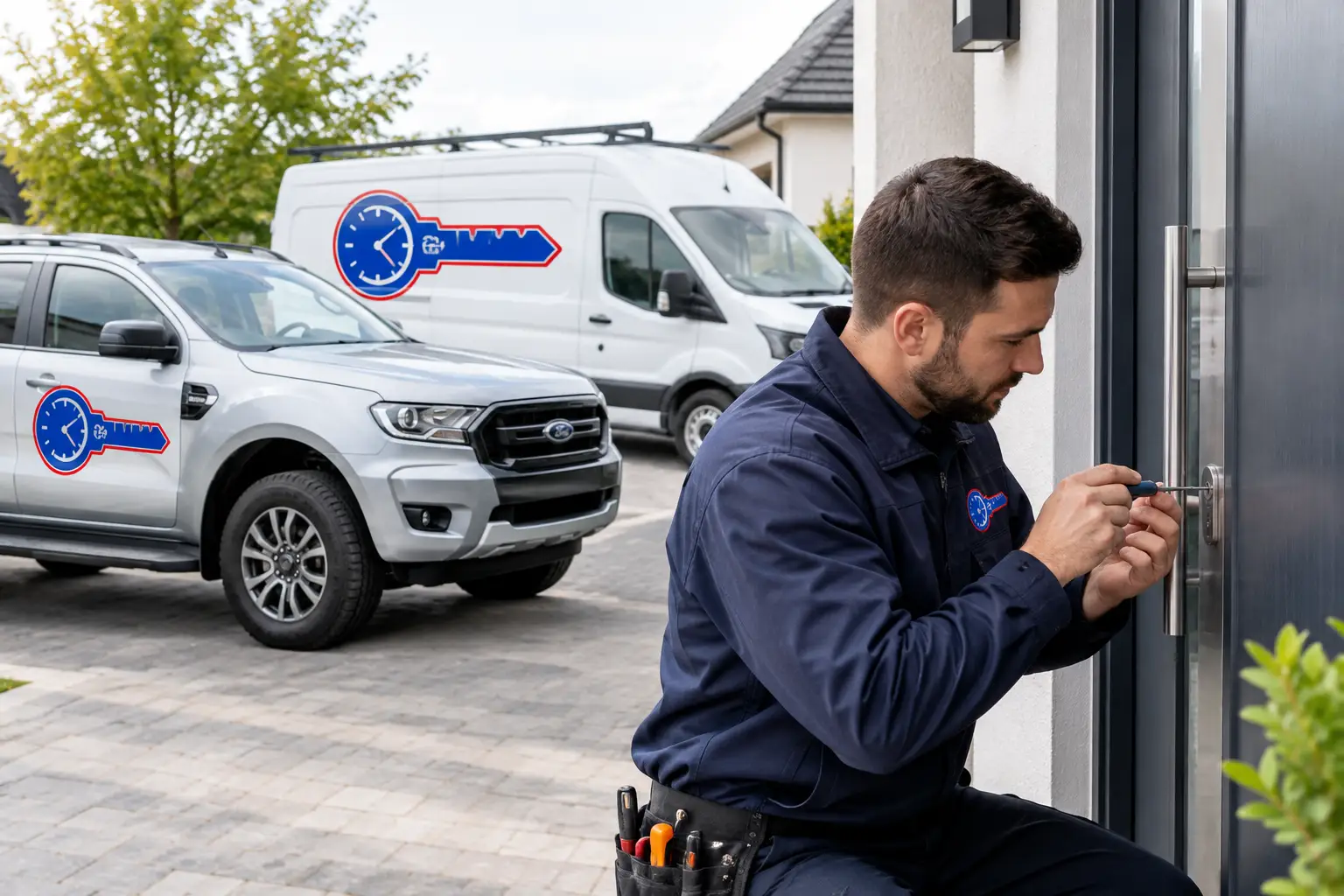
At Locksmiths Gloucester, that is why we focus on the actual fault and the actual door, not just swapping parts and hoping for the best. Stocked vans, proper diagnosis and the right approved components make a big difference when the aim is to secure the property on the first visit.
A final practical point
If you are checking locks because of insurance, wear, or a recent security scare, do not rely on appearances. Ask what standard the lock meets, whether it suits the door it is fitted to, and whether the rest of the door is in good order. A proper answer should be clear, specific and based on what is in front of you, because the best lock on paper is only useful if the whole door can back it up.


Comments