


A Practical Guide to Door Lock Gearboxes

A door that lifts, catches, or refuses to lock properly often gets blamed on the handle or the key. In many UPVC and composite doors, the real fault sits deeper in the mechanism. This guide to door lock gearboxes explains what the gearbox does, why it fails, and what actually matters when you are deciding between an adjustment, a repair, or a full replacement.
For homeowners, landlords, and property managers, gearbox problems are more than an inconvenience. A failed mechanism can leave you locked out, unable to secure the property, or forcing the handle until more parts break. That is where a clear understanding helps. You do not need to know every internal component, but you do need to know the signs, the risks, and when a proper locksmith repair will save money and repeat visits.
What a door lock gearbox actually does
The gearbox is the central case within a multipoint locking mechanism. It sits behind the handle and works as the main drive unit for the lock. When you lift the handle or turn the key, the gearbox transfers that movement through the strip and engages the locking points up and down the door.
In simple terms, it is the working core of the lock. The handles, cylinder, hooks, rollers and bolts all depend on it operating smoothly. If the gearbox wears out, jams, cracks internally, or goes out of sync with the rest of the mechanism, the whole door can start behaving unpredictably.
This is why gearbox faults are common on older UPVC doors and on doors that have been misaligned for some time. The gearbox is doing the hard work every day, and if the door is dropping or stiff, it takes the strain first.
Guide to door lock gearboxes: the parts that matter
Not every customer needs a technical breakdown, but a few terms are worth knowing because they affect what can be repaired.
The gearbox usually contains the follower, springs, latch operation and internal drive components. It is connected to the euro cylinder on many doors, and to the full multipoint strip that runs vertically along the edge of the door. Some gearboxes are simple centre cases. Others are brand-specific and designed to match a certain backset, PZ measurement, spindle size or locking arrangement.
That matters because two gearboxes that look similar may not fit the same door. A proper match depends on measurements and compatibility, not guesswork. This is where many failed DIY attempts start. The wrong gearbox can leave the handle loose, the key hard to turn, or the hooks failing to throw correctly.
Common signs of a failing gearbox
Most gearbox faults start with warning signs rather than sudden complete failure. The handle may become stiff when lifting. The key may turn only part way. The latch may stop retracting fully, or the door may lock only when it is pushed hard into the frame.
Sometimes the handle drops without engaging the mechanism. In other cases, the key spins but does not throw the bolts. You may also notice that the door opens from one side but not the other, or that the lock works intermittently depending on temperature and weather.
These symptoms do not always mean the gearbox alone is at fault. Door alignment, worn handles, a failing cylinder, or a damaged full mechanism can produce similar behaviour. That is why diagnosis matters. Replacing the centre case without checking the rest of the door can fix nothing at all.
Why door lock gearboxes fail
Wear and tear is the obvious cause, but it is rarely the only one. A gearbox usually fails because it has been working under strain for months or years. UPVC doors move over time. Hinges wear. Keeps shift slightly. Seasonal expansion and contraction can make a door tighter in the frame. If the lock points are not lining up cleanly, each lift of the handle puts extra pressure on the centre case.
Poor quality parts also play a role. Lower-grade mechanisms tend to wear faster, especially in busy rental properties, commercial units, and family homes where the door is used constantly. Forced use is another common factor. If someone keeps yanking the handle or forcing the key when the door is not aligned, internal parts can snap.
Break-ins and attempted break-ins can damage the gearbox too, even if the visible damage appears limited to the cylinder or handle area. In those cases, a full inspection is the safer option.
Repair or replace - what is the right call?
This depends on the fault, the age of the mechanism, and whether the rest of the lock is still serviceable. In some cases, the issue is not a failed gearbox at all. A door adjustment, hinge realignment, keep adjustment or handle replacement may remove the strain and restore smooth operation.
If the gearbox has internally failed but the strip and locking points are still in good condition, a gearbox replacement can be a sensible and cost-effective repair. This is often the best outcome because it avoids changing more parts than necessary while still restoring reliable function.
If the mechanism is heavily worn, obsolete, damaged across multiple points, or showing signs of repeated strain, replacing only the gearbox may be a short-term fix. A full multipoint mechanism replacement is sometimes the better job. It costs more upfront, but it can prevent another call-out for the same door.
A good locksmith should tell you which category your door falls into and why. Straight advice matters here. There is no benefit in fitting one new component into a failing system if it will not last.
Why accurate identification is half the job
Door lock gearboxes are not universal. Size, brand, cam position, deadbolt layout, latch type, and fixing centres all affect compatibility. Some doors also have older or discontinued mechanisms where direct replacements are harder to source.
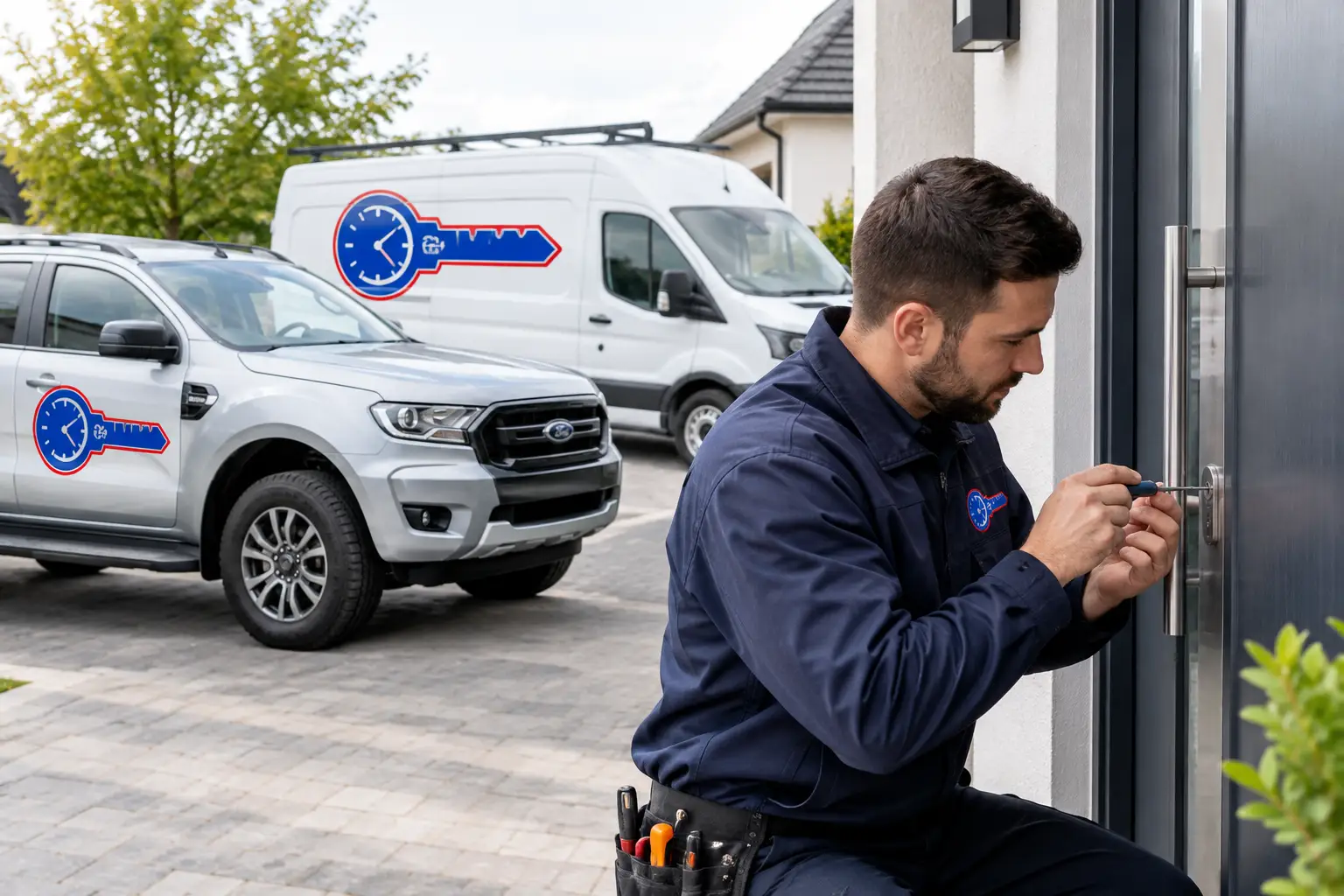
That is why stocked vans and hands-on UPVC experience make a real difference. A locksmith who regularly works on door mechanisms can often identify the issue quickly, measure correctly, and fit a matching part on the first visit. That reduces security risk, avoids temporary bodges, and gets the door working as it should.
For landlords and property managers, this is particularly important. A door that cannot be secured properly is not just inconvenient. It can become a tenant safety issue, a compliance concern, and an avoidable expense if the first repair is wrong.
Can you keep using the door if the gearbox is playing up?
Sometimes, but it is a gamble. A stiff handle or sticky lock can become a complete failure without much warning. If the internal gearbox parts are cracking or slipping, the next turn of the key may leave the door stuck shut or open but unsecured.
The bigger risk is damage caused by forcing it. Once people start pushing harder, lifting higher, or twisting the key beyond normal resistance, you can end up with a broken handle, a snapped cylinder, or a mechanism that fails with the door closed. That usually turns a manageable repair into an emergency call-out.
If the door is already hard to lock or unlock, it is best to stop treating it as a minor annoyance. Have it checked before the failure picks its moment.
What a proper locksmith visit should include
A good gearbox repair is not just a parts swap. The door should be tested open and closed, the alignment checked, the handles and cylinder inspected, and the full mechanism assessed for wear. If replacement parts are fitted, the lock should then be adjusted and tested under real operating conditions.
This is especially important on UPVC and composite doors, where poor alignment is often the reason the old gearbox failed in the first place. If the new part goes into a misaligned door without correction, the problem often returns.
Where security is a concern, it also makes sense to look at the cylinder standard at the same time. If the existing setup is outdated or damaged, fitting insurance-conscious, anti-snap approved parts can improve both reliability and protection.
Choosing the right help for gearbox problems
For this type of work, specialist experience matters more than flashy advertising. You want a locksmith who deals with door mechanisms daily, carries common parts, understands UPVC and composite door faults, and can explain clearly whether the fix is an adjustment, a gearbox replacement, or a full mechanism change.
If you are comparing services, ask practical questions. Do they carry parts for common multipoint locks? Can they identify and match gearboxes on site? Will they check alignment as part of the job? Is the work covered by a warranty? Clear answers usually tell you a lot.
Locksmiths Gloucester handles gearbox and mechanism repairs as part of its day-to-day work, and that sort of specialist approach is what reduces delay, avoids repeat attendance, and gets a door secure again quickly.
A faulty gearbox rarely gets better on its own. If your door is sticking, dropping, or refusing to lock smoothly, treat that as an early warning rather than a minor nuisance. The sooner the cause is identified, the better the chance of a straightforward repair and a door that closes, locks and secures properly without a fight.


Comments