


Best Anti Snap Euro Cylinders Explained

A lot of people only hear about lock snapping after a break-in on their street or after their own door has been tried. By that point, the weak point is already sitting in the middle of the door - the cylinder. If you are comparing the best anti snap euro cylinders, what matters is not the badge on the front alone, but how the lock is built, how it is fitted, and whether it suits the door it is going into.
Euro cylinders are common on UPVC doors, composite doors and some aluminium door sets. They are practical, easy to replace and widely available, but older or budget cylinders can be vulnerable to snapping if they protrude too far or lack proper sacrificial protection. That is why choosing the right cylinder is not just a box-ticking exercise for insurance. It is one of the quickest ways to improve the security of an external door.
What makes the best anti snap euro cylinders different?
A proper anti-snap cylinder is designed so that if someone attacks the outer section, the lock breaks in a controlled way without exposing the internal mechanism. In plain terms, the front of the cylinder is meant to fail first, while the locking cam and secure sections stay protected inside the door.
The better models usually combine several features rather than relying on one claim. You are looking for sacrificial snap points, anti-drill pins, anti-pick protection and a design that resists plug extraction. If a cylinder only advertises one feature, it may still be an upgrade on an old basic lock, but it may not be the best option for a front or rear entrance.
Certification matters as well. In most domestic situations, a cylinder tested to TS007 3 star or one that forms part of a PAS 24 compliant door setup is a safer bet than a cheap ungraded option. Some cylinders also meet Sold Secure standards, which can be another useful sign that the product has been independently tested rather than just described as secure on the box.
Why the cylinder size matters as much as the brand
One of the most common problems we see is a good-quality cylinder fitted in the wrong size. Even the best anti snap euro cylinders can be compromised if they stick out too far from the handle. As a rule, the cylinder should sit flush with the furniture or project by no more than a couple of millimetres.
If it protrudes significantly, it gives someone something to grip and attack. That is why measuring the door correctly matters. Euro cylinders are sized from the centre fixing screw hole to each side, and doors with thicker handles, decorative furniture or older mechanisms often need a less obvious size than people expect.
This is also where a proper fitting service earns its keep. A lock that is technically high security can still be left vulnerable by poor sizing, a worn handle set or a failing multipoint mechanism that puts strain on the cylinder every time the key is turned.
The best anti snap euro cylinders for different properties
There is no single lock that suits every property. A landlord securing a rental flat may want a balance of cost, compliance and durability. A homeowner with a high-use family front door may care more about smooth operation and long-term reliability. A small business might need stronger key control and a more restricted profile.
For many homes, a TS007 3 star anti-snap cylinder from a known trade brand is the right starting point. These cylinders are widely accepted, insurance-friendly in many cases, and offer a strong level of everyday protection. They work well when paired with good handles and a door that closes and locks properly.
For higher-risk applications, restricted key systems can make more sense. These do not just help with snapping resistance. They also control duplication, which is useful for landlords, managed buildings, schools and offices where keys can circulate too easily. The trade-off is cost. Restricted systems are more expensive to install and manage, but they offer tighter control over who can obtain copies.
If the door itself is older, warped or badly aligned, replacing only the cylinder may not solve the whole problem. In those cases, it is often better to treat the lock as part of the wider door security setup. Handles, keeps, hinges and the multipoint strip all affect how secure the door really is.
What to avoid when buying anti-snap locks
The first thing to avoid is buying on price alone. There are cylinders sold as anti-snap that offer a very basic level of resistance and little else. They may be better than a plain standard cylinder, but there is a big difference between a budget upgrade and a properly tested high-security lock.
The second issue is vague product descriptions. Terms like high security, anti-bump or premium are easy to print on packaging. They do not tell you much unless there is recognised testing behind them. If the cylinder does not clearly state the standard it meets, treat that as a warning sign.
The third problem is ignoring the condition of the door hardware around it. A strong cylinder fitted into a loose handle, worn door, or badly adjusted mechanism is not getting a fair chance to do its job. If the key is hard to turn, the door has dropped, or the handle feels slack, those faults should be sorted at the same time.
Best anti snap euro cylinders and insurance expectations
Insurance wording varies, so it is worth checking your policy rather than assuming any new lock will do. Some insurers refer to British Standard locks, some expect a certain number of locking points, and others simply require suitable locks on final exit doors. In practice, a tested anti-snap euro cylinder fitted correctly is often a sensible move if your door uses a euro profile.
What insurers generally do not like is obvious neglect. A cylinder that is loose, protruding, damaged or fitted to a door that barely locks can create problems beyond the lock itself. Upgrading to a recognised standard and making sure the whole door set is in sound working order is the safer route.
For landlords and managing agents, documented lock changes can also be useful between tenancies or after lost keys. It shows a practical duty of care and reduces avoidable disputes if access control becomes an issue later.
When replacing the cylinder is enough - and when it is not
Sometimes the cylinder is the only weak point. If the door and mechanism are in good condition, replacing an old basic euro cylinder with a tested anti-snap version can be a quick, cost-effective upgrade.
Other times, the cylinder is only part of the problem. A failed gearbox, worn centre case, misaligned keeps or split handle can all affect security and day-to-day use. If the key only turns with force, the door needs lifting to lock, or the latch is not engaging cleanly, it makes sense to inspect the full mechanism rather than changing one part and hoping for the best.
This matters particularly on UPVC and composite doors, where repeated strain on a stiff lock can lead to bigger failures. A cylinder should turn smoothly. If it does not, there is usually a reason.
How to choose well without overpaying
The sensible approach is to match the lock to the risk and the door. For a standard house entrance, choose a cylinder with recognised anti-snap certification, make sure the size is exact, and check the handle and mechanism are sound. For a rental or commercial setting, think about key control as well as attack resistance.
You do not always need the most expensive option on the market. You do need a lock that has been properly tested, correctly fitted, and suited to the property. That balance is where value sits.
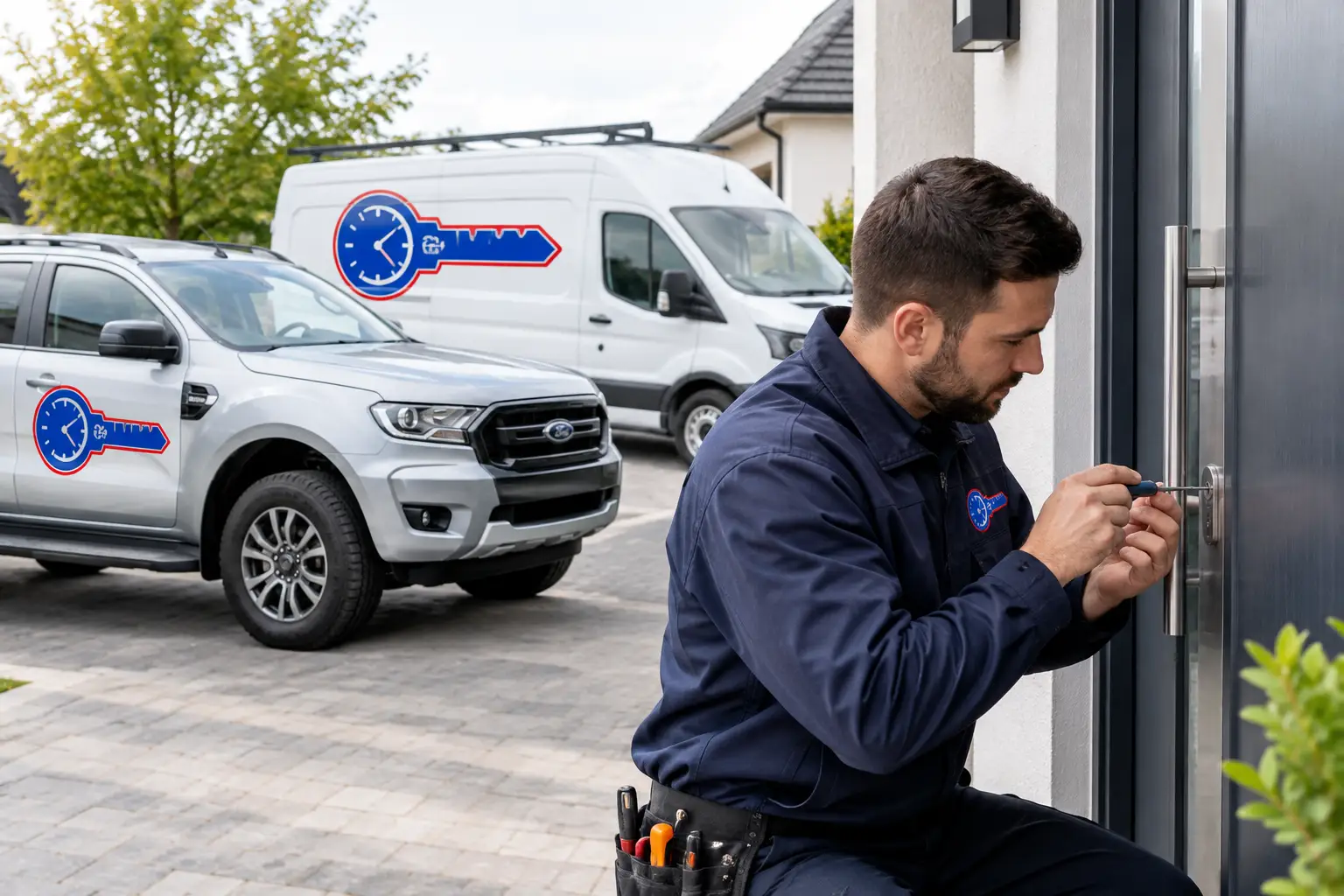
If you are unsure, a local locksmith with proper stock on the van can usually assess the door there and then, rather than guessing from a photo or sending out a generic part. That is often the difference between a quick first-time fix and paying twice.
A stronger cylinder is one of the simplest upgrades you can make to an external door, but only if it is chosen with care. The best anti snap euro cylinders are the ones that fit properly, meet recognised standards, and work as part of a door that locks cleanly every time. If your current lock is old, proud of the handle, or giving you trouble, it is worth sorting before it becomes an emergency.


Comments