


Door Mechanism Repair Service Guide
A door that suddenly will not lock properly rarely gives you much warning. One day the handle feels a bit stiff, the next the key turns with no result, the latch will not retract, or the whole door refuses to close in line with the frame. When that happens, a door mechanism repair service is often the quickest way to restore both access and security without the cost of replacing the entire door.
For many households, landlords and business owners, the problem is not the door itself. It is the working gear inside it. On UPVC and composite doors especially, the internal mechanism takes the strain of daily use. Handles get forced, doors drop slightly over time, weather affects alignment, and worn parts eventually stop engaging as they should. The right repair is about diagnosing the actual fault first, not changing parts for the sake of it.
What a door mechanism repair service actually covers
In practical terms, this service deals with the moving parts that allow a door to open, close, latch and lock correctly. That may include the central gearbox, multipoint locking strip, latch, hooks, rollers, keeps, handles, spindle and alignment-related components. On some jobs, the issue is inside the lock case. On others, the mechanism is sound but the door has shifted and the parts no longer meet cleanly.
That distinction matters. A rushed diagnosis can turn a straightforward repair into an unnecessary full replacement. A proper locksmith will test handle movement, key operation, lock throw, door alignment and wear across the full mechanism before deciding what needs doing. In many cases, one failed section can be replaced without changing every part on the door.
Common signs your door mechanism is failing
Most mechanism faults start with small warning signs. The handle may feel loose or unusually heavy. You may need to lift the handle harder than before. The key might turn only part way, or work from one side but not the other. Sometimes the latch sticks and the door needs a shove to shut.
Another common sign is intermittent locking. The door works in the morning, then jams later in the day as temperature changes affect expansion and alignment. If a UPVC door has dropped even slightly, strain builds inside the gearbox and multipoint strip. Left too long, that strain can cause a complete failure.
A failed mechanism does not always mean you are locked out. Sometimes the bigger risk is that the door appears shut but is not securing properly. For landlords and commercial property managers, that is more than an inconvenience. It is a genuine security issue that needs prompt attention.
Why these problems happen
Wear and tear is the obvious reason, but not the only one. Misalignment is one of the biggest causes of mechanism failure. If the door is dragging, not sitting square in the frame, or needing force to engage, the internal parts are working under pressure every time the door is used.
Poor fitting from the outset can also shorten the life of a mechanism. So can cheap hardware, lack of adjustment, or previous repairs using mismatched parts. On external doors, weather exposure plays a part too. Expansion, contraction and moisture can all affect how smoothly the mechanism operates.
With multipoint systems, one failing component often puts extra strain on the rest. That is why a handle problem can become a gearbox problem, and a slight alignment issue can end in a door that will not lock at all.
Door mechanism repair service for UPVC doors
UPVC doors deserve special mention because they are one of the most common sources of mechanism call-outs. They are secure and practical when maintained properly, but the locking systems are more complex than a basic mortice or rim lock arrangement. The internal strips, rollers and gearboxes need to line up accurately across the full height of the door.
When a UPVC door starts playing up, some people assume the whole door needs replacing. That is often not the case. A specialist locksmith can usually identify whether the problem is a failed gearbox, worn handle set, broken spring cassette, damaged strip, or a dropped door needing adjustment. Getting that right can save a lot of money and get the door working again far quicker than a full replacement.
This is also where stocked vans matter. Many mechanism faults involve specific sizes and brands. If the locksmith carries common parts and approved replacements, there is a much better chance of completing the repair on the first visit.
Repair or replace - what is the better option?
It depends on the age of the hardware, the condition of the door and whether suitable parts are still available. If the mechanism has failed but the door, frame and overall locking setup are in good shape, repair is usually the sensible route. It is faster, less disruptive and more cost-effective.
Replacement becomes more likely when multiple parts have worn together, the door has suffered damage, or old components are obsolete. Even then, replacing the mechanism is very different from replacing the entire door. A good locksmith will usually aim for the most practical secure fix, not the most expensive one.
There is also the question of compliance and insurance. If a lock or mechanism is being changed, using British Standard or anti-snap approved components may be advisable depending on the door type and level of risk. That is particularly relevant for landlords, managed properties and commercial premises.
What to expect when you call a locksmith
A proper call-out should start with a few clear questions. Is the door shut or open? Can the key turn? Is the handle loose, stiff or floppy? Has the door been hard to lock for a while? Those details help the locksmith prepare for the likely fault before arrival.
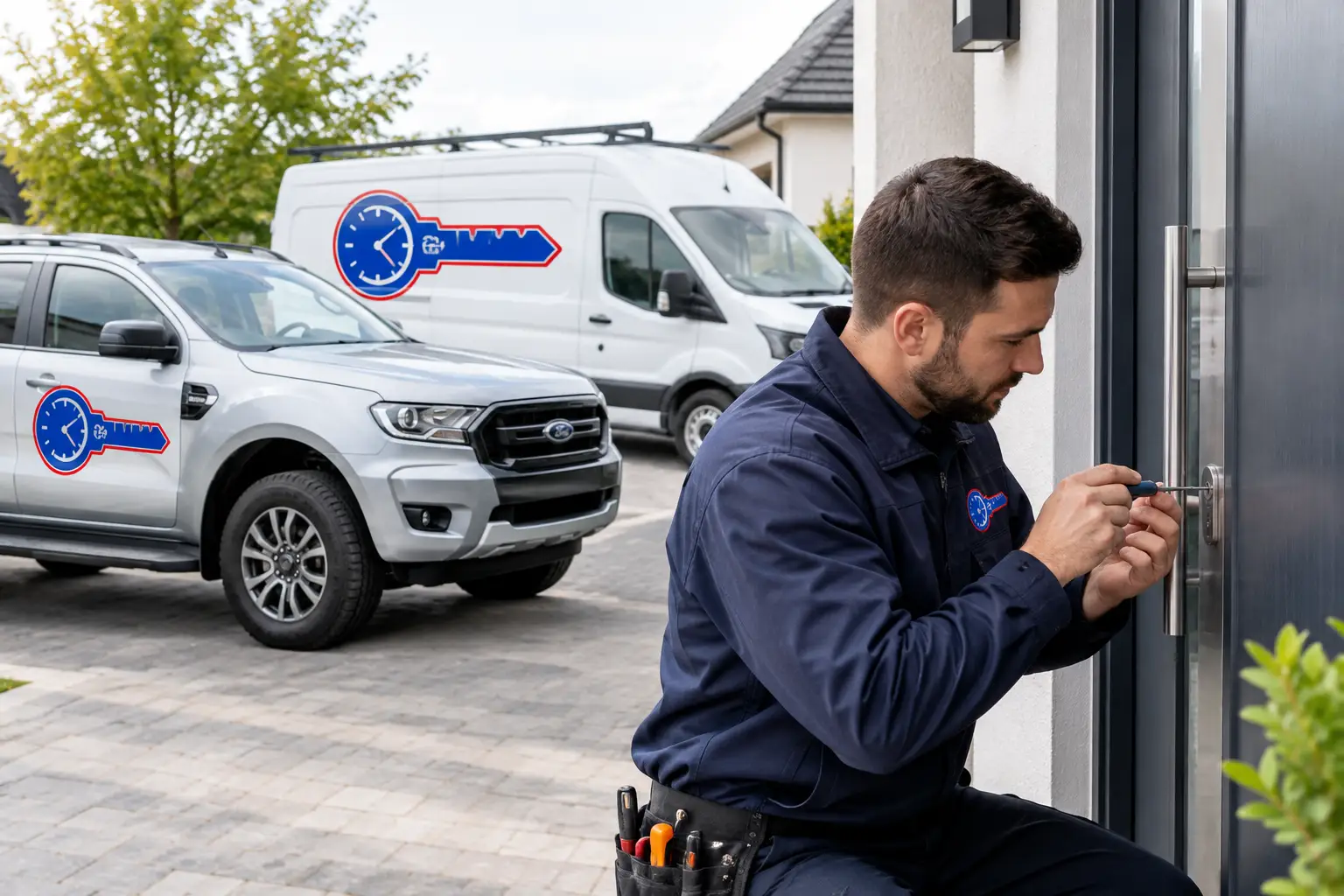
On site, the job should begin with diagnosis, not guesswork. The mechanism may need access through the handles and lock case, and the door alignment should be checked at the same time. In some situations, the locksmith can open the door non-destructively and replace the failed component there and then. In others, temporary securing may be needed first if the mechanism has failed in the locked position.
A reliable service should also explain the condition of the rest of the hardware. If one part has broken because the door is out of line, simply swapping the broken part without adjusting the door is asking for another failure later.
Why speed matters with mechanism faults
A failing door mechanism rarely improves by itself. Once the key stops turning cleanly or the handle starts sticking, the next stage is often full failure. That can mean being unable to secure the property, being unable to leave through the door, or finding yourself locked out at the worst possible time.
For rental properties, offices, schools and other managed buildings, delays can create wider problems. A door that cannot be locked properly may affect safety, insurance expectations and day-to-day access for occupants. Fast attendance matters, but so does arriving with the right parts and the experience to fit them properly.
This is where a local specialist has an advantage over a call-centre operation. You are not just paying for someone to turn up. You are paying for a realistic chance of getting the fault sorted there and then.
Choosing the right door mechanism repair service
Look for a locksmith who handles door and window security work every day, not someone who only deals with basic lockouts. Mechanism repairs need product knowledge, fault-finding ability and access to compatible parts. Experience with UPVC doors is especially important.
It is also worth asking whether the work is guaranteed, whether approved parts are available, and whether the locksmith is DBS-checked if the property is tenanted, public-facing or managed on behalf of others. Clear pricing and a straightforward explanation of the fault are good signs. So is honesty about when repair is viable and when replacement is the better call.
For customers across Gloucestershire, this is the kind of job where practical capability matters more than sales talk. Locksmiths Gloucester deals with these faults as part of everyday emergency and planned security work, with stocked vans and specialist experience in door mechanisms, gearboxes and UPVC hardware.
If your door is getting harder to lock, do not wait for the day it stops altogether. Getting it checked early usually means a simpler repair, a lower bill and far less stress when you need the door to work properly.


Comments