


Snapped Key Extraction Service When You Need It

A key can snap without warning: while you are turning it after a long day, trying to secure a rental property, or opening up a shop in the morning. When part of it is left inside the lock, forcing the issue can turn a straightforward repair into a failed lock or damaged door. A professional snapped key extraction service removes the broken piece carefully, checks why it happened, and gets the door working securely again.
For Gloucester and wider Gloucestershire properties, the priority is simple: restore safe access without causing avoidable damage. That means using the right extraction tools, assessing the lock before any work begins, and carrying suitable replacement parts where the lock has already failed.
When a snapped key extraction service is needed
A broken key does not always mean the lock itself is beyond repair. Sometimes a worn key blade gives way after years of use. In other cases, the key has snapped because the lock cylinder, internal mechanism or door alignment is putting too much strain on it. The visible problem may be the broken key, but the underlying cause still needs attention.
Call a locksmith if any part of the key remains in the keyway, the door will not lock or unlock, or you feel resistance when turning the remaining piece. This is especially urgent if the door is unsecured, you are locked out, or the property needs to be left empty.
It is also worth arranging help promptly where the door is a main entrance, a communal access door, or part of a business premises. Leaving a faulty lock in service can lead to another lockout, compromise security, or leave staff and tenants unable to secure the building properly.
Why keys snap in door locks
Keys rarely break for no reason. Normal wear is one cause, particularly where a key has become thin around the shoulder or has been bent slightly over time. A stiff lock is another common culprit. If the cylinder is dry, worn or damaged, it may grip the key instead of turning freely.
UPVC doors need particular attention. When a UPVC door has dropped, moved with temperature changes, or fallen out of alignment, the locking points can bind against the frame. Turning the key harder may feel like the obvious answer, but it places pressure on both the key and the internal gearbox. A snapped key can therefore be an early warning that the door needs adjustment or that the locking mechanism requires repair.
Older locks, poorly fitted replacement cylinders and attempted DIY repairs can create the same issue. The right solution depends on what has failed. Extracting the key is only one part of the job if the door is still difficult to operate afterwards.
What to do before the locksmith arrives
The most useful thing you can do is stop trying to turn the lock. Do not push another object into the keyway, and do not use glue, pliers or a screwdriver to try to pull the fragment out. These methods can push the broken piece further into the cylinder, damage the pins inside, or make professional extraction more time-consuming.
If the door is open, leave it open only if doing so is safe and you can supervise the property. Avoid slamming it shut in the hope that the lock will reset. On a multi-point door, that can leave the mechanism partly engaged and make access more difficult.
Keep the outer part of the snapped key. It can help a locksmith identify the break point and assess whether wear or excessive force played a part. If you manage a property, make a note of whether the door was sticking, whether the key had been difficult to turn, and whether the problem has happened before. Those details can speed up diagnosis.
How professional key extraction protects the lock
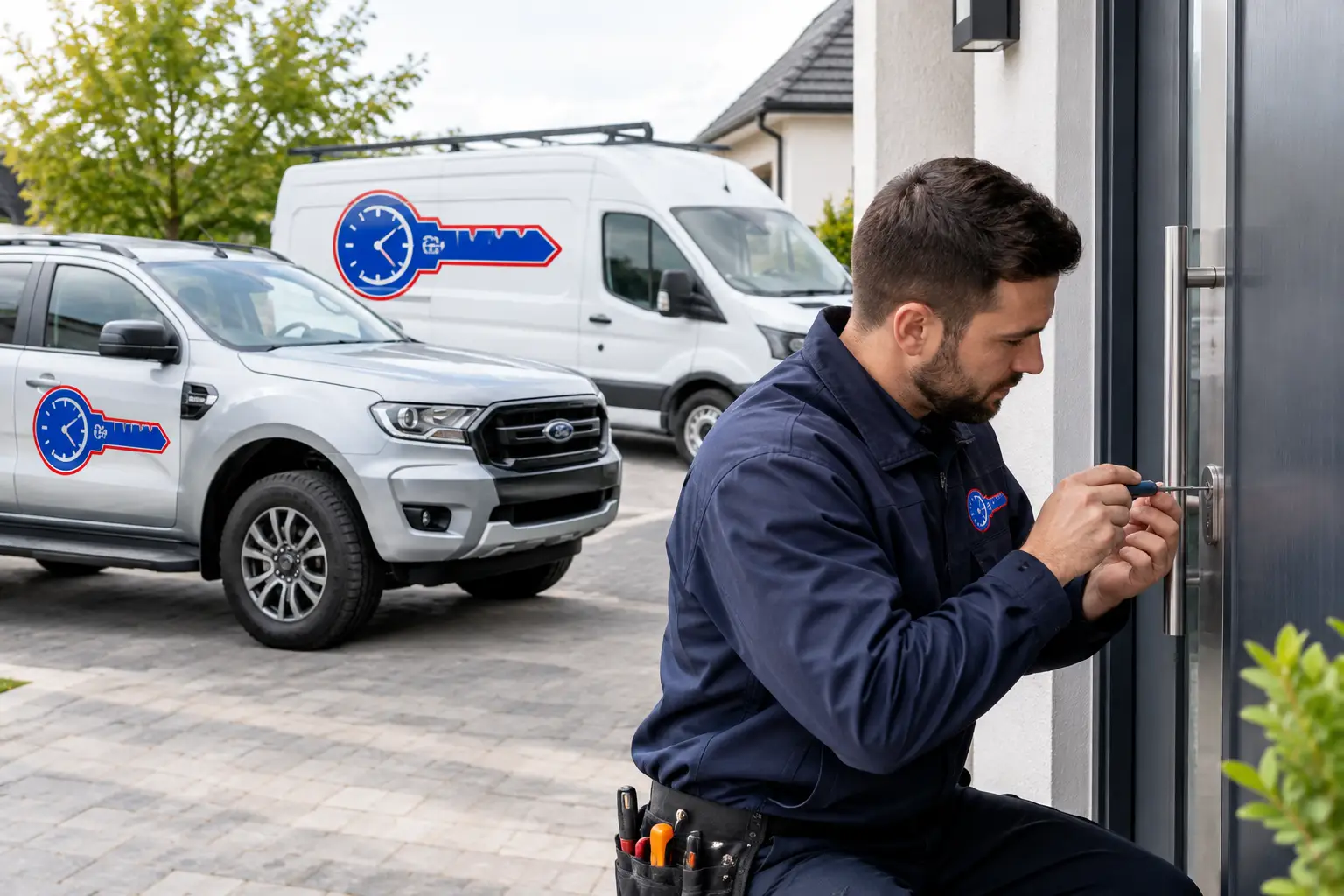
A locksmith will first establish whether the door is locked, unlocked or partly engaged. The approach changes depending on the position of the broken key and the type of lock fitted. Specialist extraction tools are used to grip or release the fragment with minimal disturbance to the cylinder.
Once the piece is removed, the lock should be tested rather than simply handed back as working. A competent repair involves checking the keyway, the cylinder operation and, where relevant, the handles, keeps and locking points. If the original key snapped due to a worn or failing cylinder, continuing to use that lock may only delay the next call-out.
Where replacement is needed, British Standard and anti-snap lock options can improve protection on suitable external doors. This can be particularly important for landlords, commercial premises and homes where insurance requirements call for an appropriate standard of security. The best lock is not always the most expensive option - it needs to suit the door, the existing hardware and the level of risk at the property.
Extraction, repair or lock replacement?
There are three likely outcomes. If the key has simply broken and the cylinder operates smoothly once the fragment is removed, extraction may be all that is required. If the lock is stiff, damaged or worn, replacing the cylinder is often the sensible long-term fix.
A third situation is more common with UPVC doors: the cylinder may be serviceable, but the door mechanism or alignment is causing the resistance. In that case, fitting a new lock without correcting the door can lead to the same problem returning. The door may need adjustment, or the gearbox and multi-point mechanism may need repair or replacement.
This is why a low initial price should not be the only consideration. A rushed extraction that ignores a failing lock can create repeat disruption and another attendance charge. A properly stocked locksmith van allows the engineer to deal with common cylinders, handles and mechanism issues during the first visit where possible.
Choosing an emergency locksmith in Gloucestershire
When you need access back quickly, it is easy to call the first advert that appears. Before authorising work, ask whether the locksmith is genuinely local, whether the price structure is explained clearly, and whether they carry parts for repairs rather than only offering a basic opening service.
For homes, flats, rental properties and small businesses, look for an emergency locksmith who can handle both the immediate problem and the security work that may follow. DBS-checked staff, warranty-backed workmanship and insurance-conscious lock upgrades offer useful reassurance, particularly when the lock is on an external door or at a managed property.
Locksmiths Gloucester provides 24-hour emergency support for broken keys, failed locks and UPVC door problems across Gloucestershire. The focus is on practical first-visit repairs where possible, with suitable parts carried to avoid leaving a property unsecured or requiring unnecessary repeat visits.
Preventing another broken key
Once the lock has been repaired, pay attention to how the door feels. A key should turn without force. If you need to lift a handle before locking a UPVC door, do so fully and steadily, then turn the key only when the locking points are properly engaged. Do not force a key through resistance.
Avoid using a visibly bent, cracked or heavily worn key. Keep the keyway clear of dirt and use only a lock lubricant recommended for that purpose if maintenance is needed. General oils can attract debris and make a stiff lock worse over time.
Most importantly, act on early warning signs. A handle that needs extra pressure, a door that catches the frame, or a lock that occasionally sticks is easier and less stressful to repair before a key breaks inside it. Fast extraction gets you through the immediate problem; finding the cause helps keep your property secure afterwards.


Comments