


How to Secure Patio Doors Properly

A patio door usually feels like a convenience right up until it starts to feel like a weak point. If you are wondering how to secure patio doors, the answer is rarely one single fix. It is usually a matter of checking the lock, the frame, the glass and the way the door actually fits and runs, because a door that looks closed is not always properly secure.
Patio doors are common on modern homes, extensions, rental properties and ground-floor flats. They let in plenty of light and make garden access easy, but they can also attract attention if the lock is basic, the track is worn or the panels can be lifted. The good news is that most security issues can be improved without replacing the whole door.
How to secure patio doors without guessing
The first step is to identify what type of patio door you have. Most are either sliding patio doors or French doors. They fail in different ways, so the right fix depends on the door in front of you rather than a generic bit of advice online.
With sliding doors, the most common problems are weak central locks, worn rollers that stop the door sitting correctly, and poor anti-lift protection. A door that has dropped slightly may still lock, but not as firmly as it should. That creates movement in the panel and can make forced entry easier.
With French doors, the issue is often the multi-point locking mechanism, the euro cylinder, or the alignment between the slave and master door. If the handles feel loose, the key turns badly or the door needs a shove to lock, that is not just annoying. It can mean the hardware is wearing out or the keeps are no longer lining up as they should.
Start with the lock, not the alarm
Many people look at cameras and alarms first. They have their place, but the physical lock is still your first line of defence. If the door lock can be overcome quickly, the rest is secondary.
On sliding patio doors, check whether the lock simply latches into the opposite frame or whether it engages more deeply. Some older systems are quite basic and can be forced with less effort than most homeowners realise. In those cases, upgrading the lock or adding a secondary security device often makes more sense than trying to reinforce everything else around it.
On French patio doors and many UPVC glazed doors, the cylinder matters just as much as the mechanism. If you have an older euro cylinder, it may be vulnerable to snapping or other forms of attack. Replacing it with an anti-snap, British Standard cylinder is often one of the most cost-effective upgrades you can make. It is a small part, but it can make a major difference, especially if your insurer expects approved hardware.
Check whether the door can be lifted
A surprisingly common issue with sliding patio doors is lift-out movement. If the panel can be raised enough within the frame, it may be possible to lift it away from the track or create enough space to defeat the lock.
This is why anti-lift protection matters. Some doors have it built in, while others need adjustment or additional hardware. If the gap at the top looks excessive, or the door feels loose in the frame, it is worth having it checked properly. Sometimes the problem is not missing security hardware at all. It is worn rollers or a poor fit that leaves too much movement in the sash.
That is also where DIY advice can fall short. A timber baton in the track may help prevent the door sliding open, but it will not solve a door that is badly aligned or easy to lift. It is a useful extra, not a replacement for proper locking and adjustment.
The glass matters more than people think
When people ask how to secure patio doors, they often focus only on the handles and locks. The glazing is part of the security too. Large glass panels make doors attractive and practical, but they also change the risk profile.
Modern toughened or laminated glass is a better option than older glazing. Laminated glass is especially useful from a security point of view because it tends to hold together when broken, slowing entry and creating more noise and delay. That does not mean every patio door needs new glass immediately, but if you are replacing panels, upgrading for security is worth considering.
It is also sensible to think about what can be seen through the glass. If keys, valuables or access devices are visible from the garden, the strongest lock in the world is only part of the picture. Security is often about reducing opportunity as much as resisting force.
Door alignment can make a secure lock insecure
A patio door does not need to be smashed to fail. Sometimes it just stops seating correctly. UPVC and composite doors can drop over time, hinges wear, keeps shift, and mechanisms become stiff. On sliding systems, rollers wear and tracks collect dirt and damage. All of that affects security.
A lock that only half engages may appear fine in day-to-day use. You turn the key, lift the handle and walk away. But if the cams, hooks or latch are not fully engaging, the door is easier to force than you think.
This is especially common in rental properties and busy family homes where a door gets heavy daily use. People get used to lifting it harder, slamming it, or jiggling the key. Those are warning signs. If a patio door has become difficult to lock, treat it as a security issue rather than a maintenance niggle.
Simple upgrades that genuinely help
Not every property needs major work. In many cases, the best improvements are quite straightforward when they are chosen properly.
For sliding doors, a good secondary track lock or security bar can add real resistance. For French doors, a cylinder upgrade and proper mechanism service often bring security back up to standard without replacing the whole set. Handle condition matters too, especially if they are loose, worn or poorly fixed.
You can also improve security with better lighting around the rear of the property, clear sightlines, and sensible habits such as not leaving the key in the inside of the lock overnight if the glazing or letter access makes that risky. The right combination depends on the layout of the property. A ground-floor flat with shared access has different priorities from a detached house backing onto open land.
When replacement is the better option
Sometimes repair and upgrading are the right route. Sometimes they are not. If the patio door frame is damaged, the locking strip has failed repeatedly, the rollers are heavily worn and parts are obsolete, replacement can be more practical than ongoing patch repairs.
The same applies if the original door was never especially secure. Some older patio doors were built with convenience in mind first and security a distant second. You can improve them to a point, but there comes a stage where investing in modern hardware and better glazing gives you more value and fewer future call-outs.
That said, replacement should not be the default answer. A proper inspection should tell you whether the issue is the lock, the cylinder, the mechanism, the fit, or the entire door set. If someone jumps straight to full replacement without checking the hardware, be cautious.
How to secure patio doors in rented or managed properties
Landlords and property managers need a slightly different approach. Security still matters, but so do durability, compliance and repeatability across multiple properties. If one patio door has an outdated cylinder or recurring alignment issue, others in the portfolio may have the same setup.
This is where standardising approved parts can help. Using British Standard cylinders and dependable replacement hardware makes future maintenance simpler and helps avoid a mix of unknown parts across different addresses. It also reduces the risk of emergency call-outs caused by cheap hardware failing under normal use.
Vacant properties need extra thought as well. An empty home with rear access and a tired patio door is an obvious target. In those cases, physical reinforcement, prompt repairs and regular checks matter more than cosmetic improvements.
When to call a locksmith
If the door is difficult to lock, loose in the frame, scraping, or showing signs of forced entry, it is time to get it looked at properly. The same goes for failed multi-point mechanisms, snapped cylinders, broken handles or glass-related access concerns.
A locksmith who deals regularly with UPVC door and window hardware will usually spot very quickly whether the problem is wear, poor alignment, failed parts or an outright security weakness. That matters because patio door issues are often interconnected. Replacing one part without correcting the underlying fit can lead to the same failure all over again.
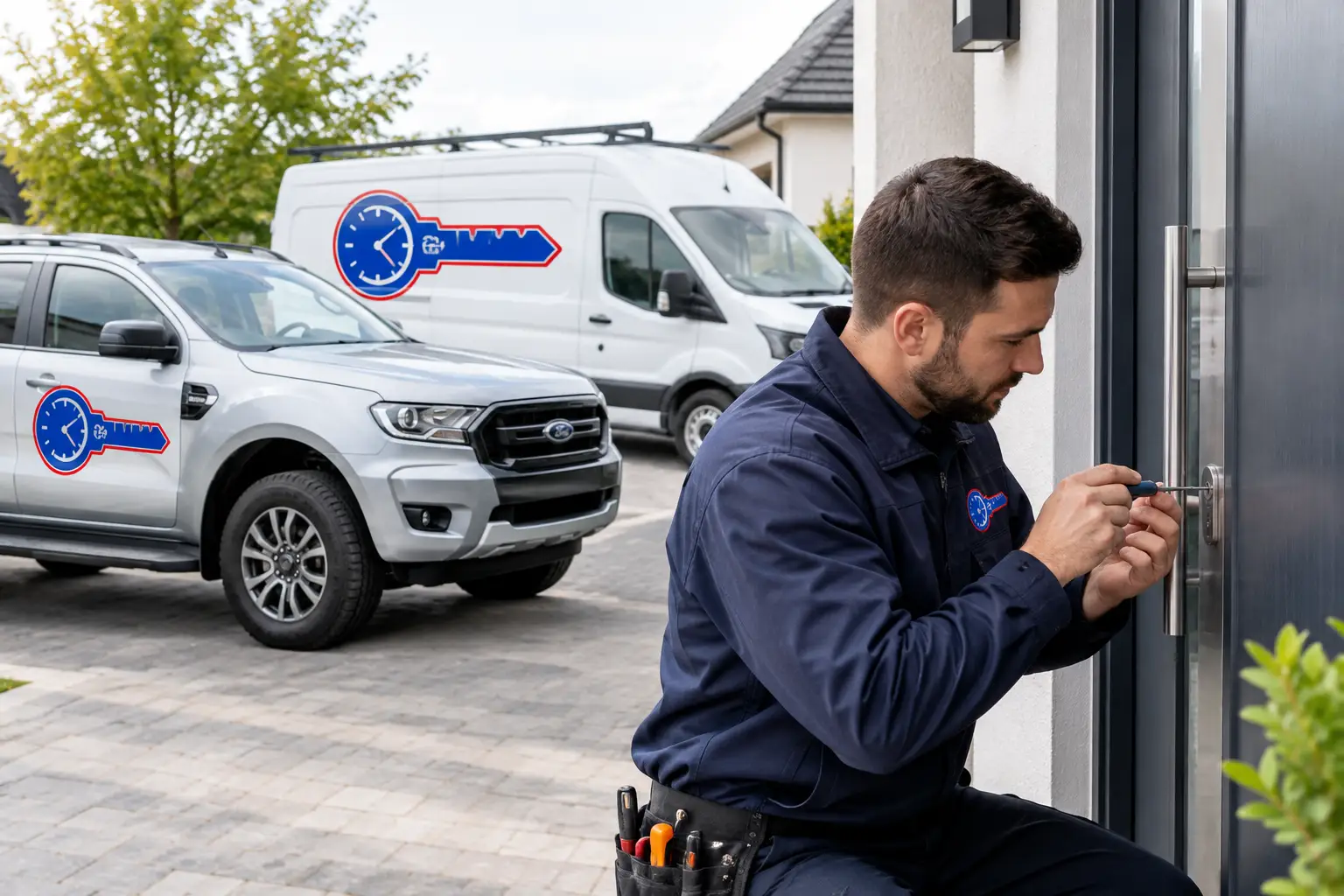
At Locksmiths Gloucester, this is the sort of work we deal with every week - lock upgrades, mechanism repairs, adjustments and security improvements that are meant to last, not just get the door shut for the night.
If your patio door has become the part of the property you least trust, do not ignore it and hope for the best. A door that closes properly, locks cleanly and uses the right hardware gives you something far better than a quick fix - it lets you stop thinking about it every night.


Comments